

Power Realignments and Diplomatic Shifts
Global geopolitics continues to evolve rapidly, with new power dynamics emerging across key regions, particularly in Europe and Southeast Asia.
Strategic Realignments in Europe and Southeast Asia
Europe is navigating a period of reinvested defense cooperation and shifting security policies, especially in response to ongoing conflict zones and increased NATO activity.
Southeast Asia is seeing greater regional consolidation, with countries balancing relationships between the U.S., China, and new regional trade blocs. The rivalry for influence remains central to decision making in ASEAN nations.
Tensions and Talks: Diplomacy in Focus
New diplomatic flashpoints are unfolding, with tensions rising between some longtime allies amid diverging interests on trade, defense, and climate positions.
Peace negotiations have resumed in several conflict regions, driven by shifting alliances and third party mediation efforts aimed at logistical and humanitarian resolutions.
Trade & Sanctions: The Supply Chain Rewritten
Economic statecraft continues to redefine international trade. Recent developments include:
Bilateral and regional trade agreements changing the flow of goods, energy, and technology across continents
Sanctions and countermeasures, especially targeting strategic sectors like semiconductors, rare minerals, and defense manufacturing
Supply chain recalibrations, as companies and countries reduce over reliance on any single source or corridor
Global interdependence is now a tactical concern, not just an economic one.
More on this week’s key global stories
Global Markets React to Uncertainty
Global economies are riding out the turbulence with mixed signals. In the U.S., inflation cooled slightly, but remains sticky in core sectors, pushing the Fed to keep rates steady for now. Employment is strong on paper, though job growth is slowing in tech and finance. Europe faces persistent inflation too, largely driven by energy costs and sluggish industrial output. Germany, once the region’s economic engine, is flirting with recession. Over in Asia, Japan is finally seeing inflation after decades of stagnation, while China’s recovery appears uneven, weighed down by property sector woes and consumer caution.
Stock markets are moving like they’ve had three espressos. Tech stocks have bounced back thanks to strong earnings and AI hype, while energy sector shares rallied off tightening global supply signals. Finance stocks are playing defense, with investors unsure whether higher for longer interest rates will help bank margins or strain credit.
In currency markets, the U.S. dollar has held strong, bolstered by safe haven flows and rate differentials. The Euro struggled under weak growth data, and the Yen continues to slide, prompting whispers of intervention from the Bank of Japan. Emerging market currencies remain volatile, reflecting investor skittishness.
Central banks are still trying to steer the ship. The ECB hiked again but flagged caution. The Fed’s tone is watchful, not aggressive. Meanwhile, countries like Brazil and India are tweaking policy in response to both inflation pressures and a fragile global growth outlook. The message everywhere: the easy money days are gone, and strategy matters more than ever.
Climate and Environmental Hotspots
This past week, climate stayed front and center as extreme weather events rocked multiple continents. Flooding from record rainfall displaced thousands in Southeast Asia, while parts of southern Europe battled a heatwave that pushed national power grids to the edge. In the U.S., hurricane season came early with storms hitting the Gulf Coast harder than forecast.
Amid the chaos, global leaders edged forward on climate policy. The EU announced a cross border carbon pricing mechanism, designed to charge importers based on their emissions. Meanwhile, a coalition of South American nations signed a pact committing to phase in 50% renewable energy targets by the end of the decade a tangible shift, though critics say it’s still too slow.
On the ground, climate protesters aren’t backing down. In Berlin and New Delhi, activists blocked roads and occupied government buildings, demanding timelines for fossil fuel exits. Pushback is growing too, especially in economies reliant on coal and oil, where leaders are walking a tightrope between promises to the planet and local job markets.
The takeaway: climate is no longer a distant issue it’s a weekly headline. And it’s complicating everything from politics to power bills.
Tech and Innovation News Across Borders
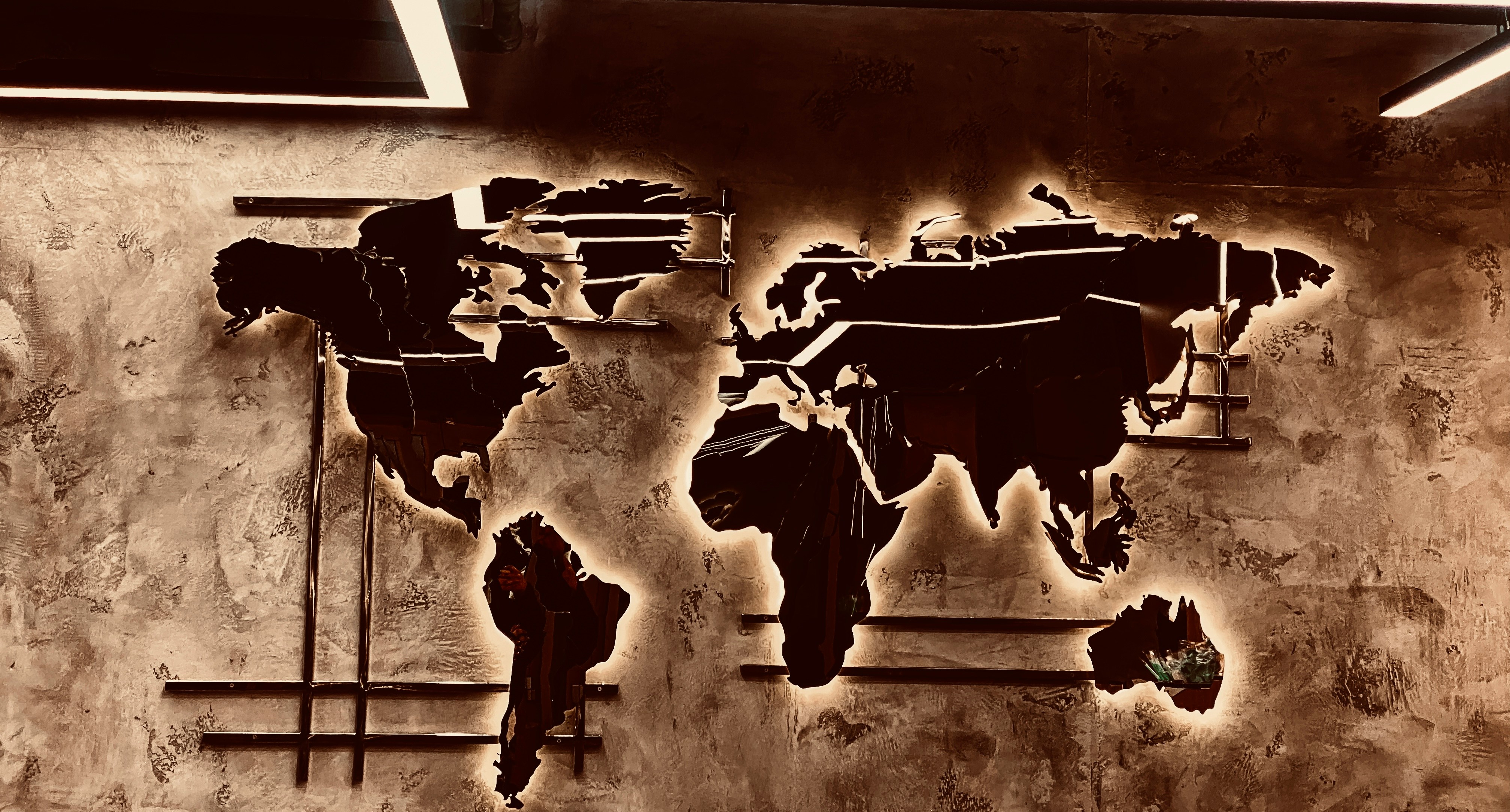
Innovation didn’t slow down this week it multiplied. Asia is leading with bold jumps in quantum computing, thanks to private sector teams in Japan and South Korea racing toward faster, smaller, more commercially viable systems. Meanwhile, European labs are rolling out next gen green tech built for scale battery recycling startups in Germany and Sweden are drawing serious investment. In the Americas, the spotlight’s on biotech, with companies in Brazil and the U.S. announcing breakthroughs in bioengineered crops that survive extreme drought.
As tech advances, data privacy is fighting to keep pace. The EU doubled down on digital sovereignty this week by expanding its Data Act mandates, aiming for more transparency and user control over cloud services and IoT devices. Over in the U.S., pushback against federal level privacy laws continues, with state by state policies creating a fragmented picture. China’s updated Cybersecurity Law now includes stricter cross border data transfer clauses, signaling more friction in global data flows.
And then there’s AI booming in growth, murky in regulation. Governments are scrambling to keep up. The UK hosted a multi nation AI governance summit focused on baseline safety standards, while Canada announced a framework for AI system audits. No global consensus yet, but the pressure’s building on regulators to draw lines before disruption outpaces oversight.
Social Upheavals and Cultural Movements
Across the globe, the streets aren’t quiet. From mass protests in Latin America and Africa over soaring food prices to election related unrest in parts of Southeast Asia, citizens are making their voices heard sometimes at great personal risk. These aren’t isolated flares. They’re part of a broader trend: rising public pushback against economic inequality and government overreach.
Shifts in media freedom are adding fuel to the fire. Independent journalism is under pressure in places like Eastern Europe and parts of South Asia, while grassroots media collectives are gaining traction as trusted voices. At the same time, civil rights movements whether related to gender identity, racial justice, or indigenous rights are seeing renewed momentum, often in the face of rollback attempts.
Culturally, new flashpoints are emerging. Whether it’s debates around nationalism in European school curriculums or public art controversies in the Middle East, conversations about identity and belonging are heating up fast. These are not just local issues they have ripple effects that touch global discourse.
Explore deeper coverage of key global stories
What’s Coming Up This Week
This week’s calendar is tight with global developments that will ripple far beyond borders. On the diplomatic front, all eyes are on the EU foreign ministers’ summit in Brussels, where energy policy and Ukraine’s funding package top the agenda. Meanwhile, a trilateral meeting between the U.S., South Korea, and Japan is set for Tokyo, focused on coordinating defense policy and supply chain resilience.
Economically, the U.S. will drop its monthly jobs report on Friday closely watched as a temperature check on inflation strategy. China releases its latest manufacturing PMI, expected to reflect the impact of recent government stimulus. Over in Europe, the ECB is likely to signal its next interest rate move, amid rising pressure from core economies grappling with stagnant growth.
Also on deck: the OPEC+ gathering in Vienna, where production quotas for the next quarter may shift energy prices yet again.
These are early signals, but they’ll shape how next week’s news unfolds. Keep your radar up. Markets, policies, and headlines are about to move fast.
 ____________