Dengue fever affects millions of people worldwide. It’s a serious issue, and we need to do more to raise awareness.
In public health, especially with fast-spreading diseases, a clear visual message is more effective than text alone. Think about it: when you see a picture, it sticks in your mind.
This article is a complete guide to creating a handmade dengue poster drawing that truly makes an impact. You’ll learn the essential information to include, powerful design techniques, and a step-by-step process for creation.
By the end, you’ll have the tools to make a difference. Let’s dive in.
The Unmissable Message: Core Information for Your Dengue Poster
When it comes to preventing dengue, the most critical message is clear: eliminate mosquito breeding sites.
Think about places where water can collect—old tires, flower pots, clogged gutters, and uncovered water containers. These are prime spots for mosquitoes to lay their eggs.
Key Symptoms to Illustrate
Illustrating key dengue symptoms is crucial. High fever, severe headache, rash, and muscle/joint pain are the main signs.
These visuals help people recognize the disease early, which can be a lifesaver.
Simple Prevention Frameworks
Using a simple, memorable prevention framework like ‘Search and Destroy’ or ‘Block the Bite’ makes it easier for everyone to understand.
These concepts are easy to translate into illustrations, making your poster more effective.
Minimal, large-print text in the local language ensures that the message is accessible to all, regardless of literacy levels.
This way, everyone can understand and act on the information.
Clear Call-to-Action
Include a clear call-to-action, such as ‘Seek early consultation’ or a local health hotline number.
This gives people a direct step to take if they suspect they have dengue.
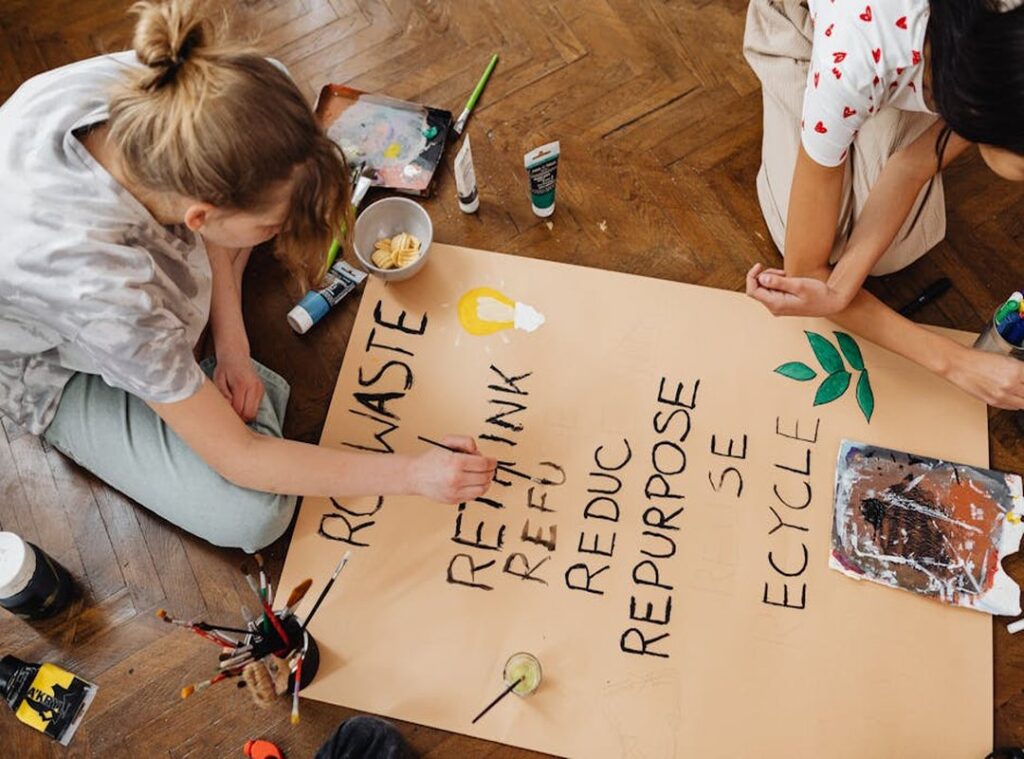
(handmade dengue poster drawing)
By following these guidelines, you can create a poster that not only informs but also motivates action.
Designing for Impact: Visual Elements That Stop and Teach
When it comes to public health, the right colors can make all the difference. “Red and yellow grab attention,” a graphic designer told me. They’re perfect for warnings.
On the flip side, calming blues and greens work well for safe practices.
A single, powerful central image can speak volumes. Think about a stylized mosquito being crossed out. Or a family protecting their home.
These images are clear and direct.
Simple icons and infographics break down complex information. For instance, a mosquito life cycle or a weekly checklist for cleaning breeding grounds. They make the data easy to digest.
Typography matters too. Choose a font that’s highly legible from a distance. Avoid overly decorative or thin scripts.
You want people to read and understand quickly.
Cultural relevance is key. The illustrations should depict people, homes, and environments that the target community can relate to. This makes the message more impactful.
Visual hierarchy guides the viewer’s eye. Start with the main threat—the mosquito—and lead to the solution—prevention actions. It’s like a roadmap for the eyes.
(handmade dengue poster drawing)
One public health expert said, “The goal is to stop and teach.” With the right visual elements, you can do just that.
Your Custom Poster Blueprint: From Idea to Reality
Creating a custom poster can be simple if you follow these three steps: Define, Design, and Distribute.
Step 1: Define
First, figure out who your audience is. Are you targeting schoolchildren or homeowners? Next, set your goal.
Is it about symptom recognition or weekly cleanup reminders? This clarity will guide the rest of your process.
Step 2: Design
Now, let’s talk design. You have two main paths here: DIY or hiring a freelancer.
Path A: DIY with Canva
If you’re handy with design tools, platforms like Canva offer pre-made elements. This can save you time and money. Just pick a template, add your content, and tweak as needed.
Path B: Hire a Freelancer
For a truly unique design, consider hiring a freelance illustrator from sites like Upwork or Fiverr. They can create something that stands out and fits your exact needs.
Writing a clear design brief for a freelancer is key. Here’s what to include:
– Key Messages: What do you want the poster to say?
– Visual Style: Do you prefer a minimalist look or something more detailed?
– Color Palette: Any specific colors you want to use?
– Required Text: What text needs to be on the poster?
Make sure to provide a technical checklist for the final poster file:
– High-Resolution Format (300 DPI): This ensures the poster looks sharp.
– Correct Dimensions: Know the size you need.
– Bleed Margins: These are essential for professional printing.
Pro Tip: Leave a designated blank space in the design for local health organizations or sponsors to add their logo. This can help with distribution and support.
Step 3: Distribute
Once your handmade dengue poster drawing is ready, it’s time to get it out there. Choose the right channels based on your audience. For schoolchildren, maybe it’s through schools and community centers.
For homeowners, local events and mailings might work better.
Remember, the key is to stay flexible and open to feedback. Sometimes, a small tweak can make a big difference.
If you want to stay updated on the latest trends and news, read more about what’s happening in 2024.
Inspiration Gallery: Powerful Dengue Poster Concepts

Let’s dive into some poster concepts that can really make an impact.
“The Tipping Point” is a minimalist design. It shows a hand tipping over a flower pot, symbolizing the elimination of stagnant water. Simple yet powerful.
“Community Shield” takes a different approach. It features diverse community members holding up tools like brooms and scrubs. They’re standing strong against a giant mosquito shadow.
It’s a clear message of unity and action.
“Spot the Danger” is interactive. Imagine a typical backyard scene. The viewer is challenged to find all potential mosquito breeding spots.
This concept engages the audience and makes them part of the solution.
Each concept uses visual storytelling to drive home the importance of dengue prevention. (And yes, I’m picturing a handmade dengue poster drawing for each one.)
These ideas should spark creativity and help you craft a compelling message.
Turn Awareness into Action with Your Illustration
An effective dengue poster merges essential facts with compelling, easy-to-understand illustrations. The ultimate goal of the poster is not just to be seen, but to provoke a specific action, like a weekly home cleanup. Consider adding a QR code to the poster that links directly to resources from the World Health Organization or a local health department.
This modern enhancement can provide more detailed and up-to-date information.
Handmade dengue poster drawing can make a significant impact. It personalizes the message and makes it more relatable. Take these guidelines and create a custom poster that can help protect your community.
 ____________