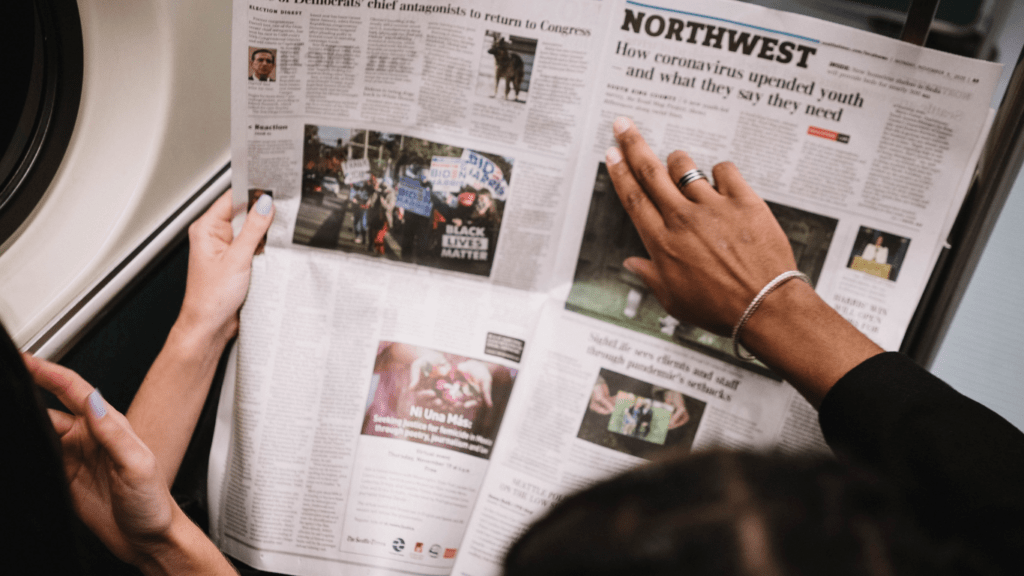
The world economy feels like trying to read a map written in smoke.
You turn on the news and hear words like “inflation” or “recession” or “supply chain”. But what do they actually mean for your paycheck? Your rent?
Your kid’s college fund?
I’ve watched people scroll past real economic updates because they sound too dense. Too distant. Too boring.
They’re not.
This is about World Economy Updates Gscnewstown (not) as headlines, but as choices you make every day.
I cut through the jargon. I skip the fluff. I use sources that track data daily (not) press releases.
You don’t need a degree to understand what’s happening. You just need someone who explains it like a person, not a textbook.
So if you’re wondering whether to refinance your loan, hold off on buying a car, or even just decide how much to save this month. This helps.
No predictions. No hype. Just clear updates.
You’ll walk away knowing what changed this week. Why it matters. And what you can do about it.
That’s the promise.
Why Your Dollar Feels Lighter
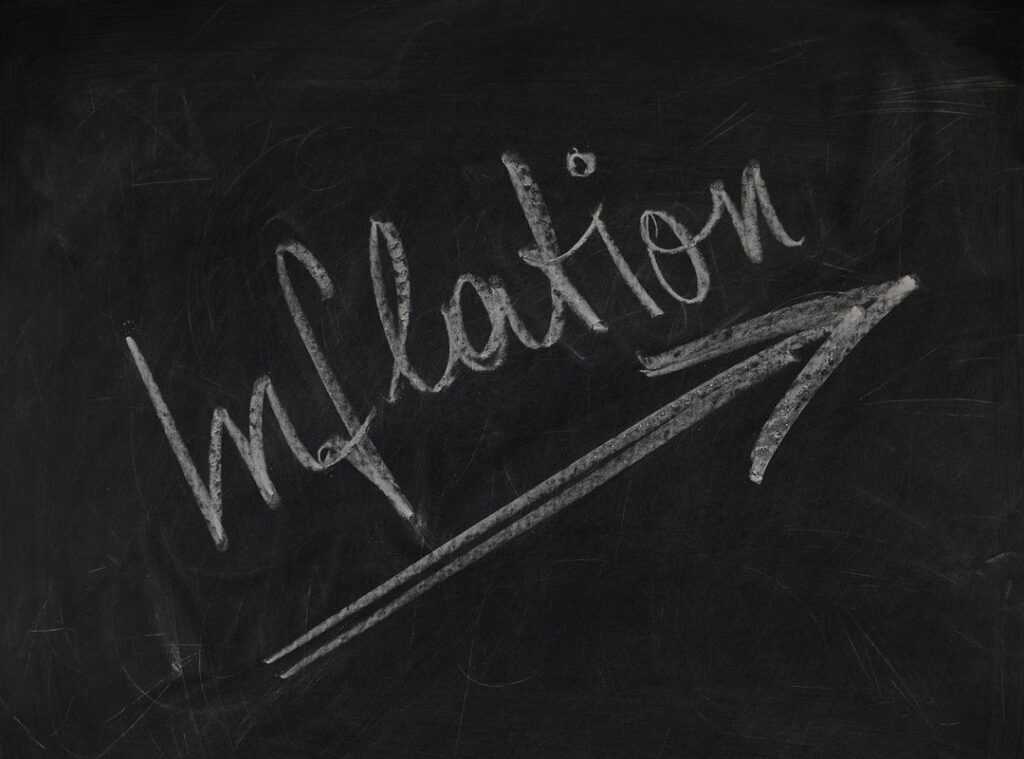
Inflation means prices rise and your money buys less. It’s not magic. It’s math you feel at the register.
I check World Economy Updates Gscnewstown every week (not for fun. Because my grocery bill jumped $42 last month). The U.S., UK, and EU all saw big price spikes in 2022. 2023.
Some places still haven’t cooled off.
Supply chains got tangled. Ships waited weeks to dock. Trucks sat empty because drivers quit.
Then everyone wanted stuff at once after lockdowns ended. Demand outpaced supply. Prices followed.
You felt it. Gas hit $5 a gallon. A carton of eggs cost $8.
My rent went up 12% in one year. Not “a little.” Not “temporarily.” Real money, gone.
So what do you do? Track every dollar you spend for two weeks. Just write it down.
You’ll spot where money leaks out (and) where you can plug it.
Look for store brands. Buy in bulk only if it saves real money. Skip the “sale” tag unless you’d buy it anyway.
Inflation isn’t going away tomorrow. But you don’t have to get steamrolled by it. You’ve handled hard money before.
You’ll handle this.
Want real-time updates on what’s pushing prices higher right now? Check Gscnewstown. No fluff.
Just numbers and what they mean for your wallet.
What Rising Rates Actually Do to Your Wallet
Interest rates are the price you pay to borrow money. Or the money you earn for keeping it in a bank.
The Federal Reserve raises them to slow down spending. When prices rise too fast, they hike rates to cool things off. (It’s blunt.
It works.)
Your car loan just got more expensive. Your mortgage payment? Higher.
Credit card interest? Ouch. Every dollar you borrow costs more now.
Savings accounts pay more too. That’s good (if) you’re not drowning in debt.
You’re probably wondering: Should I lock in a rate now? Or wait? I’d pay off high-interest credit cards first.
No debate.
Rates rising means your money moves slower. Borrowing shrinks. Saving grows (but) only if you have cash to park.
Don’t chase yield with risky investments. A CD or high-yield savings account is safer than gambling on crypto or meme stocks. (Yes, I mean it.)
World Economy Updates Gscnewstown shows this isn’t just US noise. Europe and Canada are doing the same thing.
If you’re carrying debt, stop adding to it. If you’re saving, put that extra cash to work (now.)
Refinancing might make sense later. But only if your credit is solid and rates drop again.
You don’t need a finance degree to get this. You need honesty. And a plan.
Is the World Economy Accelerating or Braking?
Global growth means the world’s economies are getting bigger. Or smaller. It’s not some abstract number.
It’s factories humming, stores selling, people getting hired.
Right now? Growth is sputtering. Not collapsing.
But definitely not speeding up. The US slowed. Europe barely moved.
China’s rebound fizzled faster than expected.
Wars mess with supply chains. Trade fights raise prices. Oil spikes hit everything from groceries to airfares.
(And yes, that $5 gallon of gas? That’s global growth coughing.)
India’s growing fast (tech) and services booming. Brazil’s holding steady. But Nigeria’s inflation hit 34%.
Argentina’s currency lost half its value in six months. Why? Debt, drought, bad policy.
Slower growth means fewer jobs abroad. And shaky returns for investors betting on overseas markets. Faster growth does the opposite.
Simple.
You feel this when your paycheck stalls. Or when your 401(k) dips because markets in Tokyo or Frankfurt wobble.
I check real-time data daily. Not guesses. Not headlines.
Actual numbers.
For deeper context, I read the World business news gscnewstown page. It cuts through noise.
World Economy Updates Gscnewstown isn’t hype. It’s what changed yesterday.
No fluff. No jargon. Just facts that move markets (or) your wallet.
Jobs Are Changing. Fast.
I watched a factory in Ohio replace twenty welders with two robots and a technician. That technician got retrained in six weeks. He now makes more money than he did before.
AI is not coming. It’s here. It’s writing emails, analyzing spreadsheets, even drafting legal memos.
Some jobs are vanishing. Others are splitting into new roles nobody named yet.
Reskilling isn’t optional. It’s how you keep your rent paid. Upskilling means learning what your job will need.
Not what it needed last year.
The gig economy? It’s not just Uber drivers. It’s graphic designers in Manila billing clients in Chicago.
It’s accountants working four-hour days for three different companies.
Remote work didn’t kill offices.
It killed the idea that location equals loyalty.
This isn’t doomscroll material. It’s reality. With teeth.
You either adapt or get priced out of relevance.
World Economy Updates Gscnewstown shows how fast this shift moves across borders. Some countries are building training pipelines. Others are scrambling.
You’re not behind.
But you are late if you wait for someone to tell you what to learn next.
The old rules don’t apply. The new ones aren’t written yet. So you write them (by) doing the work before it’s required.
Need help figuring out where to start? this guide walks through real options. Not theory.
You’ve Got This
I read the news. I check prices. I watch my paycheck stretch less far.
That’s not weakness. That’s awareness.
You don’t need a degree to understand World Economy Updates Gscnewstown. You just need to know how inflation eats your savings. How interest rates change your loan payments.
How global growth. Or lack of it (shows) up in your job search.
Yeah, it’s messy.
But ignoring it costs more than paying attention.
You wanted control. You wanted to stop feeling blindsided. You got that.
So keep reading one reliable source each week.
Ask one question out loud. Even if it’s “Why did gas jump again?”
Don’t wait for permission to care about your money.
Hit pause on autopilot. Open a browser tab right now. Look up today’s update.
Then decide. Not react.
 ____________