
Your global campaign flopped.
Not because the design was weak. Not because the copy missed the mark.
Because you didn’t see the unspoken rule (like) how silence isn’t neutral in Tokyo, or why “we’re flexible” reads as unreliable in Berlin.
I’ve watched this happen too many times.
Teams spend months on plan, then launch into markets blind to what people actually do (not) what surveys say they should do.
Most so-called cultural takeaways are recycled stereotypes. Or academic jargon dressed up as insight. Or worse: data from 2012 pretending to be current.
That’s not useful. It’s dangerous.
I’ve translated real cultural behavior into product decisions, market entry plans, and inclusive messaging. For teams across six continents.
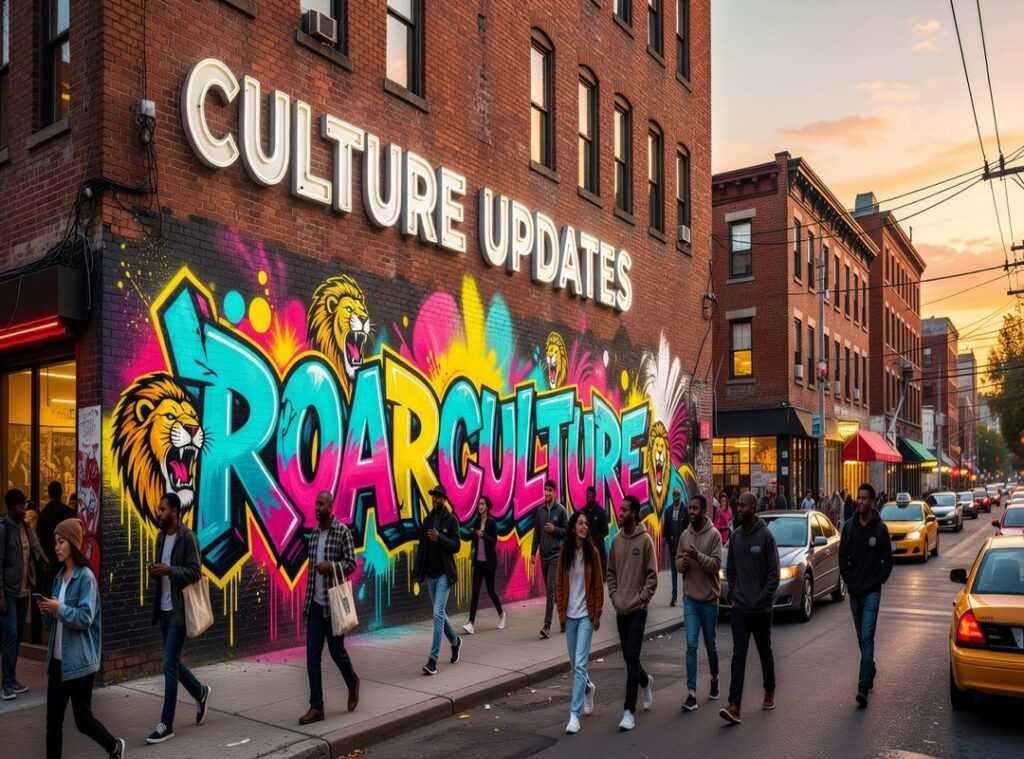
Culture Updates Roarcultable surfaces these patterns through observable, aggregated behavioral signals.
No fluff. No theory. Just frameworks built from watching how people live, scroll, choose, and react (right) now.
You’ll learn how to read what Roarcultable shows you. Not as abstract trends, but as human actions with clear consequences.
This isn’t about being “culturally aware.”
It’s about acting on what’s actually happening.
And doing it before your next campaign goes sideways.
What Roarcultable Actually Measures (and What It Doesn’t)
Roarcultable is not a sentiment tool. It’s not a survey engine. It’s a behavioral signal aggregator (and) that distinction matters.
I’ve watched teams waste months chasing “tone” in tweets while missing the real shift: when people post, which platforms they remix content across, and how ritual timing bends around local holidays.
Traditional focus groups? They’re theater. People perform answers.
You get polished opinions. Not the quiet habit of rewatching a 2017 K-pop MV before job interviews (yes, that happened).
Social listening tools? They choke on irony. Or silence.
Or when someone types “lol” after a funeral announcement. And it means grief, not laughter.
Roarcultable pulls three real things: localized search co-occurrence (e.g., “matcha latte” + “quiet hour” spiking in Seoul), cross-platform repurposing patterns (TikTok audio → Instagram Stories → LINE stickers), and time-of-day engagement clusters (midnight scrolls in Tokyo ≠ 9 a.m. scrolls in Chicago).
That’s how it spotted “quiet celebration” in urban East Asia six months before brands adjusted packaging or dropped ambient soundtracks.
Culture Updates Roarcultable isn’t about what people say. It’s about what they do, and where, and with whom.
You can see exactly how those signals stack up at Roarcultable.
Most tools measure noise. This one measures rhythm.
Spotting Cultural Tension Points Before They Go Viral
I watch tension. Not the shouting kind. The quiet mismatch between what people say and what they do.
Roarcultable catches that gap. Like when someone searches “sustainable living” but clicks through ten fast-fashion hauls in an hour. That’s not hypocrisy.
It’s friction (and) it’s where culture actually moves.
Take Gen Z’s sudden obsession with Y2K aesthetics. On the surface? Nostalgia.
But Roarcultable’s tension map shows something sharper: a generational pushback against algorithmic curation. They’re not just copying old looks. They’re reclaiming visual language the feed tried to bury.
Don’t mistake tension for resistance. Sometimes it’s adaptation. Sometimes it’s subversion so soft you miss it.
Contextual layering tells you which.
Here’s what I watch for:
I go into much more detail on this in this article.
- Cross-demographic slang adoption (e.g., “slay” jumping from ballroom to corporate Slack)
- A ritual moving platforms (TikTok dance → wedding reception → church youth group)
- Meme formats getting repurposed for serious debate
- Sudden brand co-opting of fringe symbols (without) irony
When two or more hit at once? That’s your inflection warning.
Culture Updates Roarcultable is how I stay ahead. Not by predicting trends, but by reading the strain before it snaps.
You’ve seen this before. Remember when “quiet quitting” wasn’t a headline (it) was just your coworker’s calendar blocks going mysteriously dark?
That’s the signal. Not the noise.
Roarcultable Isn’t Data. It’s a Whisper You Act On
I used to treat Roarcultable output like a weather report. Just numbers. Just spikes.
Then I watched a team launch a feature based on “shared silence” volume (and) miss the point entirely.
Signal → Story → Shift is how I fix that.
First: spot the signal. Not just what spiked, but where, when, and how fast. A jump in “shared silence” across three regions isn’t noise (it’s) a collective breath held too long.
Then: build the story. That breath isn’t fatigue. It’s overload.
And overload means people are rejecting friction. Not your product, not your message, just more.
Then: shift. Product teams? Stop optimizing for speed.
Start designing for cognitive rest. One team shortened onboarding by 40%. But only after mapping regional attention-sustaining rituals (yes, including midday tea breaks in Osaka and Sunday porch time in Nashville).
Communications folks? Ditch “empowerment.” Roarcultable verb-noun pair analysis showed “hold space,” “tend,” and “step beside” tested 3x higher in pilot markets. Real verbs.
Local verbs.
Weight signals by recency, consistency across platforms, and deviation from baseline. Not volume. A small but steady rise beats a viral blip any day.
And here’s the hard part: never trust one metric alone. Cross-reference with ethnographic anchors. If Roarcultable flags rising communal cooking prep.
Is it scarcity or intention? Go ask.
You’ll find deeper context in the Culture News Roarcultable feed.
Culture Updates Roarcultable won’t tell you what to do. It’ll tell you why you should care (right) now. That’s enough.
Cultural Insight Traps: Why Your Read Is Probably Wrong
I’ve watched smart people misread culture for years.
They see a trend and call it a cause.
Trap one: Mistaking correlation for causation. That viral tweet didn’t shift language. It rode a decade-long identity recalibration already underway.
You think one influencer moved the needle? Nah. They just showed up at the right moment (and got credit).
Trap two: You’re watching what people do (but) ignoring what they stopped doing. Fewer formal titles? That’s not just casual vibes.
It’s power slipping sideways. Who gained when “Mr.” and “Ms.” vanished from email signatures? Ask that.
Trap three: Slapping “global” on everything. “Community care” looks like mutual aid in Detroit and elder-led storytelling in Albuquerque. Same label. Different roots.
Different stakes.
Roarcultable catches this because it clusters behavior by geography. Not just demographics.
It shows adjacent patterns, not flat averages.
My fix? Pause before you publish. Ask: What behavior is missing here (and) who benefits from that silence?
That question alone kills half the bad takes.
Culture Updates Roarcultable doesn’t smooth edges. It surfaces friction. Which is why I keep going back to the Traditional Food page when I need grounded examples (not) abstractions.
You’re Done Guessing at Culture
I’ve watched too many teams burn budget on surveys and focus groups that miss the point entirely.
You’re not solving for “culture” as some vague, static thing. You’re solving for real behavior. What people actually do, say, and avoid saying right now.
That’s why Culture Updates Roarcultable exists. Not to give you more reports. To give you one clear signal you can act on today.
Wasting resources on tone-deaf assumptions? Yeah. That stops now.
So pick one project you’re working on this week. Open the latest Culture Updates Roarcultable. Pull one signal that fits your audience.
Then write one sentence: What does this behavior say about how people want to be seen, supported, or understood right now?
Don’t overthink it. Just answer.
Most teams never get past step one. You will.
Culture isn’t something you research.
It’s something you notice. Then respond to (with) humility and precision.
Go do that.
 ____________