
You’ve been there.
Sitting at a holiday table while your aunt insists rice must be served with every meal (and) you’re slowly swapping it for quinoa.
She’s not just being stubborn. You’re not just being trendy.
Something deeper is happening.
Most people think food choices come down to taste or health. Or maybe budget.
They’re wrong.
Culture runs the show. Not slowly. Not subtly.
It’s in the language we use for food, the prayers before eating, the way grandmothers hand down recipes like sacred texts.
I’ve sat at tables like that across six countries. Spent years in kitchens where religion dictated lunchtime, where migration erased ingredients but not memory, where gender decided who cooked. And who got to eat first.
This isn’t theory. It’s what I see every day.
The How Culture Affects Food Choices Roarcultable isn’t about listing traditions. It’s about showing how language, faith, history, gender, and ritual force daily decisions. Even when you think you’re choosing freely.
You’ll walk away knowing why your cousin won’t touch pork. And why your kid refuses lentils (even though they grew up eating them).
No jargon. No fluff. Just real patterns from real meals.
Religion and Ritual: When Food Becomes Sacred Practice
I don’t follow halal or kosher rules myself. But I’ve watched enough family meals to know they’re not about restriction. They’re identity markers.
Quiet declarations of who you are and where you come from.
Take Ramadan. Suhoor at 4 a.m. isn’t just food. It’s dates first (always) dates.
Then water, then soup, then the main dish. Not because nutrition science says so (though it helps). Because it’s been done that way for centuries.
Because your grandmother did it. Because your kid will too.
Iftar is even louder. The moment the call to prayer hits, everyone stops. Dates go in first.
Then water. Then soup. Then everything else.
It’s choreographed. It’s communal. It’s how memory gets passed down through taste and timing.
Secular advice says “eat protein first.” Fine. But try telling that to a Muslim family breaking fast in Lahore or Detroit. They’ll laugh (gently) — and hand you a date.
A 2023 study found 78% of observant Muslim adults pick halal certification over organic labeling. Every. Single.
Time.
That tells you something. Culture isn’t flavoring on top of food. It is the food.
Roarcultable digs into exactly how culture shapes what ends up on our plates (and) why that matters more than most diet plans admit.
How Culture Affects Food Choices Roarcultable? Yeah. That’s the real question.
Migration, Memory, and the ‘Taste of Home’ Effect
I’ve watched my cousin grind dried ancho chiles by hand for mole (then) swap in New Mexico hatch chiles when she couldn’t find the real thing. That’s not compromise. That’s survival.
Foodways aren’t preserved. They’re fought for. Mexican-American families use local chiles.
West African cooks stir frozen spinach into okra stew when fresh won’t ship. These aren’t shortcuts. They’re acts of continuity.
Smell hits first. Then taste. Both slam straight into your hippocampus and amygdala.
The brain’s memory and emotion centers. That’s why abuela’s rice steam brings back her kitchen before you even taste it.
My abuela’s rice isn’t about calories (it’s) the sound of her wooden spoon hitting the pot. (That quote stuck with me for months.)
Younger folks fry plantain chips less. They grab store-bought ones. Some call it lazy.
I call it smart adaptation. The ritual stays. The crunch, the salt, the sharing.
That’s still culture.
Convenience doesn’t erase meaning. It reshapes it.
How Culture Affects Food Choices Roarcultable isn’t theoretical. It’s your aunt swapping cassava flour for gluten-free all-purpose because her daughter has celiac (and) still calling it fufu.
Authenticity isn’t locked in a 1947 recipe book. It lives in who’s cooking, who’s eating, and what they need right now.
You think your version doesn’t count? It does.
It always did.
Who Puts Food on the Table. And Why It Matters
I cook dinner most nights. My partner grills on weekends. That’s not random.
It’s gendered labor (plain) and simple.
Women still do most of the daily cooking. Especially for elders. Men step in for showy tasks like grilling or roasting whole animals.
That shapes what ends up on the table: softer textures, smaller portions, longer prep times when women lead. Bigger cuts, faster fire, louder presentation when men do.
Filipino households often plan meals as a group. Grandmother, aunties, cousins weigh in. UK teens pick halal snacks alone in school canteens.
One says we eat together, the other says I choose now.
Economic pressure doesn’t erase culture. It bends it. I’ve watched families buy 25-pound sacks of rice.
Even broke. Because “guests must eat well.” Shame hits harder than hunger sometimes.
WhatsApp groups pass down recipes faster than elders can speak. TikTok duets let teens remix lomi with ramen (and) their abuela watches, then adapts.
This is how Culture Affects Food Choices Roarcultable.
Why Culture Matters covers why ignoring this costs real money.
You think your meal choices are neutral? They’re not. They’re inherited.
Language, Labels, and the Hidden Power of Food Terminology
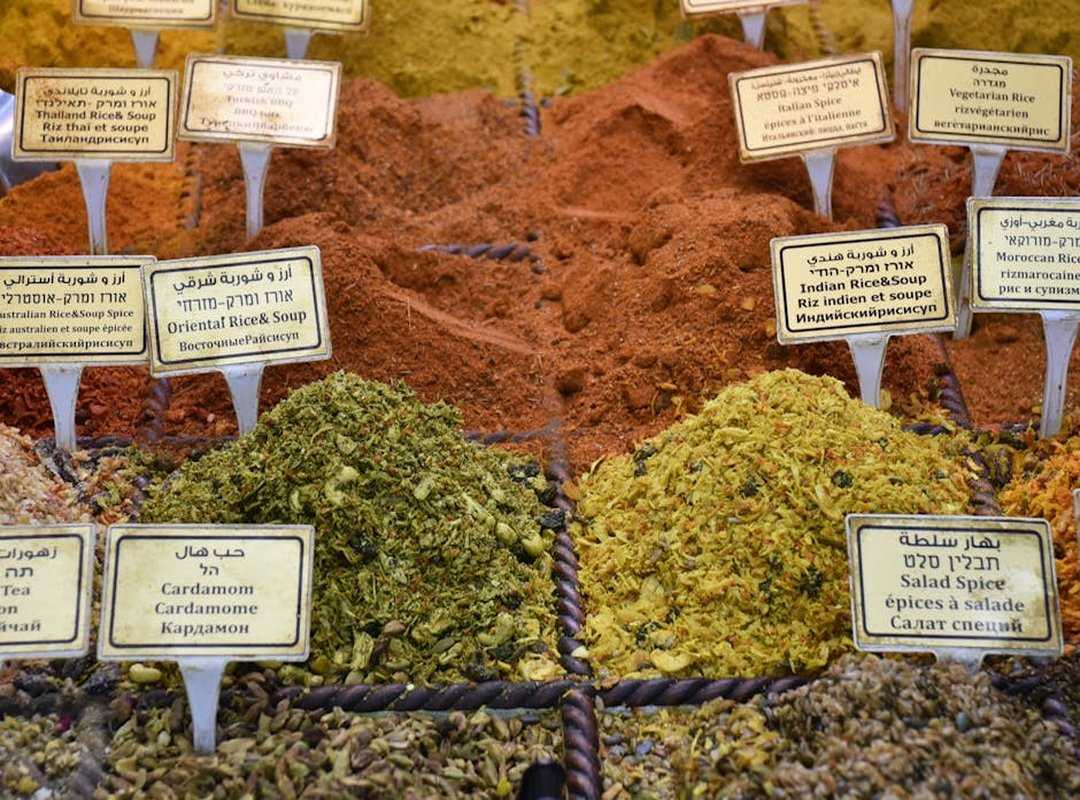
I used to call it “savory” until I tasted real umami (and) realized English had erased the depth.
That word isn’t just flavor. It’s a cultural lens. It carries Japanese ideas about balance, patience, and the weight of time in fermentation.
Translating it as “savory” flattens it. Same with sobremesa (that) post-meal linger isn’t laziness. It’s social architecture.
Food marketing fails hard here. Slapping “spicy” on a West African stew? Wrong.
Heat there is medicine. It’s jollof’s warmth. Not a thrill ride.
Bilingual households know this. Switching from “lunch” to almuerzo isn’t vocabulary. It’s flipping mental switches.
One frame for school, another for abuela’s kitchen.
Ask “What does this dish mean at your table?” instead of “Do you like it?”
You’ll hear stories. Not ratings.
This is why How Culture Affects Food Choices Roarcultable isn’t academic jargon. It’s lunchtime reality.
(Pro tip: When in doubt, borrow the word. Then ask what it holds.)
Labels aren’t neutral. They’re translations with agendas.
“Ethnic Food” Is a Lazy Label
I refuse to call it that. It’s reductive. It’s inaccurate.
It erases everything.
Vietnam uses fermented fish sauce. Nigeria uses dried shrimp paste. Sweden uses smoked herring.
Same category? No. Not even close.
Calling them all “Asian,” “African,” or “European” food flattens centuries of adaptation, migration, and survival. Tomatoes didn’t start in India. Chiles weren’t native to Korea.
Cassava wasn’t grown in West Africa until colonial trade forced it there. So what’s “traditional” really mean? (Spoiler: it’s not static.)
Indigenous chefs aren’t “trend-hopping” when they serve foraged foods. They’re practicing sovereignty. Reclaiming land.
Resisting erasure. That’s not culinary tourism. That’s resistance.
Food isn’t folklore. It’s lunch in a school cafeteria where kids get rice and beans but no explanation of Oaxacan moles. It’s hospital menus that default to bland Western fare (ignoring) how culture affects food choices in recovery.
It’s grocery aisles where “international” means one shelf of sad curry paste next to canned refried beans.
This isn’t just about taste. It’s about power. Who names.
Who profits. Who gets erased.
Roarcultable latest crypto trends from riproar might move fast (but) cultural food narratives move slower, deeper, and with more weight.
Start With One Meal
Dietary advice fails when it ignores culture. You know this. You’ve felt the shame.
You’ve quit three times.
It’s not about willpower. It’s about meaning. Memory.
Belonging.
How Culture Affects Food Choices Roarcultable (that’s) not theory. That’s your grandmother’s hands shaping dough. That’s the smell of spices in your childhood kitchen.
So stop chasing generic plans.
Start with one meal this week.
Ask: Who taught me to make this?
What story does it hold?
What would change if I shifted one ingredient. And why?
You don’t need permission to honor your history while choosing your health.
Food doesn’t just fuel the body. It carries the grammar of who we are.
Your turn. Pick the meal. Ask the questions.
Start now.
 ____________