Smarter Healthcare, Faster Diagnostics
Medicine isn’t waiting around. In 2024, AI is helping doctors spot disease earlier sometimes before symptoms even begin. Scans powered by machine learning can now flag signs of cancer, neurological disorders, and heart conditions with precision that rivals veteran specialists. Fast, accurate, and always learning, these systems are changing how (and when) we diagnose.
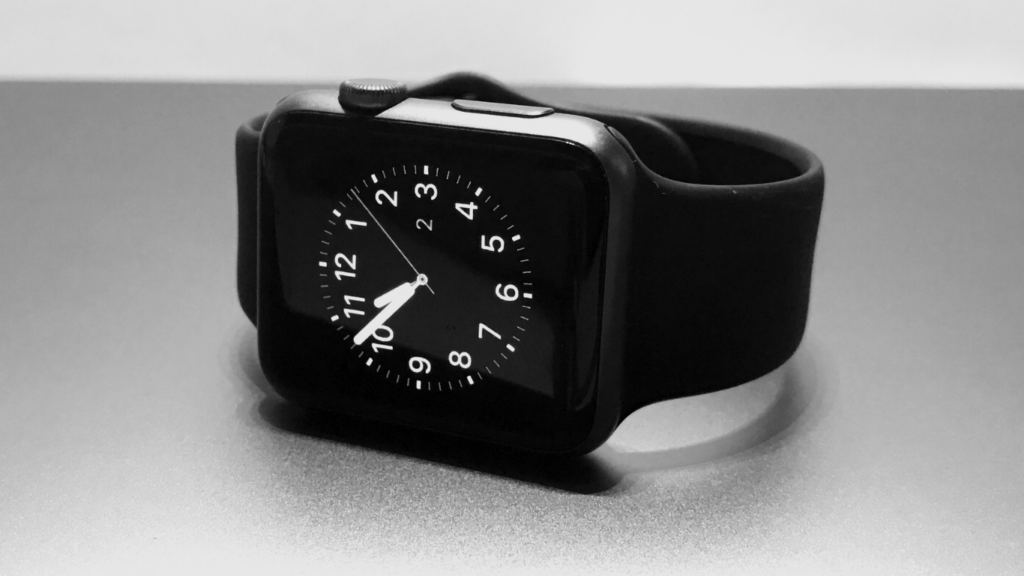
Then there are wearables. Not just glorified fitness trackers anymore, these gadgets are quietly turning patients into their own first responders. Devices now track blood glucose, blood pressure, heart rhythm even sleep quality in real time. That means chronic diseases like diabetes or hypertension are getting managed better, not because clinics got smarter, but because patients did.
Meanwhile, telemedicine has gone from boutique luxury to baseline expectation. It’s no longer just for rural areas or pandemic triage. Video consults, remote monitoring, and virtual check ins are everyday tools now. For millions, skipping the waiting room isn’t a bonus it’s the only realistic option.
More on how technology is transforming lives
Clean Tech Breakthroughs
Electric vehicles are finally breaking the anxiety barrier. With next gen batteries pushing ranges beyond 600 miles on a single charge, road trips and long commutes no longer feel like a tech gamble. These solid state and high density lithium alternatives aren’t just longer lasting they’re faster to charge, safer to operate, and easier to scale for production. In short: EVs are entering their mainstream moment.
Meanwhile, solar is moving off rooftops and onto, well, everything. Think solar paint coating buildings, and transparent panels built into car windows or glass facades. It’s not just about saving the planet anymore it’s also about powering your gear directly where you use it.
Smart grids are the final gear in the loop. They balance power demand in real time, reroute electricity efficiently, and help reduce waste across entire cities. These networks are learning to adapt from second to second, which means lower bills and fewer outages for everyone. More power, smarter use that’s the heart of the clean tech revolution.
The AI Aftershock
Natural language AI is no longer a novelty it’s embedded. In classrooms, it’s helping design personalized learning paths, breaking down complex topics, and giving instant feedback at scale. In offices, it’s churning out first drafts, simplifying customer support, and speeding up research. Whether you’re a student or a CEO, chances are you’ve already co written something with AI.
Back end automation is also picking up speed. From accounting to HR, AI tools are shaving hours off routine workflows. The result: more time for high value work if you know how to use it right. Knowing how to prompt, refine, and analyze is becoming just as essential as knowing how to write or code.
Of course, progress comes with problems. AI models still carry bias, data privacy is murky, and creators are asking who really owns AI generated work. Regulators are watching, and new frameworks are starting to emerge. It’s not perfect, but it’s moving. Fast. If we’re going to build AI into how we live and work, we’ll need a lot more than automation we’ll need accountability.
Space, Reimagined
Space used to be rocket science. Now, it’s getting closer to routine. Private companies are launching spacecraft weekly, not as one off stunts, but as scheduled services. The barrier to orbit is lower than ever, thanks to reusable boosters and miniaturized payloads.
High speed internet from orbit is finally more than a dream. Satellite constellations are beaming fast, reliable connections to places fiber can’t reach rural villages, disaster zones, remote islands. It’s not perfect yet, but the gap is closing fast.
And yes, asteroid mining once sci fi fodder is now on early trial runs. A few startups have secured tech, funding, and access to chase precious metals in near Earth asteroids. It’s high risk, maybe high reward. But it’s real, and it’s happening.
See how innovation is impacting industries worldwide
Next Level Accessibility
Tech is finally starting to meet the moment for accessibility. In 2024, innovation is moving beyond flashy features it’s unlocking real independence for people with disabilities.
Smart devices built with accessibility in mind are becoming more available and more intuitive. Think: voice controlled smart glasses that read aloud text for visually impaired users or AI powered captioning that works in real time for the hearing impaired. These tools aren’t hidden in settings menus anymore they’re baked right in.
Then there’s the frontier stuff. Brain computer interfaces, once the stuff of sci fi, are giving people with paralysis new ways to communicate, move, and interact. Typing with your thoughts isn’t just cool it’s life changing. Same goes for affordable prosthetics, many of which are now being produced through 3D printing. Lighter, faster, cheaper, and custom fit.
All of this points to a shift: accessibility is no longer an afterthought. It’s a design requirement. And the payoff isn’t just inclusion it’s empowerment.
Final Thought: Tech with Purpose
Not every breakthrough is about going faster or doing more. The most powerful innovations are the ones that change how we live, how we connect, and how we see ourselves. A smart prosthetic isn’t just hardware it’s freedom. A brain computer interface isn’t about cool tech it’s about giving someone a voice.
In 2024, we’re past the wow factor. The tools are here. The question is what we’ll do with them. Will we use AI to clone content or to create more inclusive systems? Will space tech expand access or deepen divides? These aren’t hypotheticals they’re the choices being made right now.
Technology isn’t deciding our future. We are. That’s the real shift worth watching.
 ____________